
One of the most common questions buyers ask before closing a deal is: should I choose a “turnkey” property or one “to BDS standard”? At first glance, it seems that a BDS apartment is cheaper, while a ready-to-move-in “turnkey” home saves time and nerves. In reality, though, the differences run deeper – in costs, in comfort and in control over the final result.
To make the right decision, you need to understand what really lies behind the two terms, what additional costs each option brings and which type of buyer it suits better. That is exactly what we will look at in detail in this article, step by step.
1What “BDS” property means today
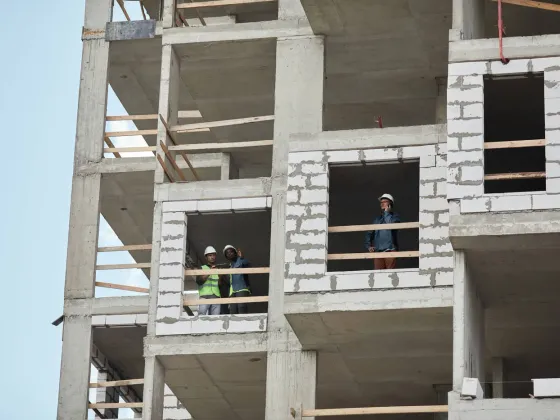
The term “BDS” comes from “Bulgarian State Standard”, but in everyday practice it means “shell finish” or “basic building standard without finishing works”. The details differ between developers, but the general idea is the same – you get a structurally complete property, ready for finishing.
What “BDS” usually includes
In most new buildings, a “BDS” property means:
- walls with filler coat (unpainted), floors with screed (no flooring), windows and doors installed but without internal sills and details
- installations laid up to connection points – electrical, plumbing, heating/air conditioning, but without switches, light fittings and final fixtures
Bathrooms and WCs are often left without wall tiles, floor tiles and sanitary ware, and the kitchen is only a “zone” marked in the plan – everything else is in the buyer's hands.
With a BDS property, it is extremely important to get up-to-date drawings and information on the installations from the builder, so you can plan the finishing works with tradespeople or a company.
Who the “BDS” option suits
A property finished to BDS standard is a logical choice for a buyer who:
- wants to take an active part in choosing materials, colours and solutions
- has the time to coordinate tradespeople and firms, or relies on a trusted contractor
This option gives maximum freedom – you can choose flooring, paint, lighting, bathroom, kitchen and doors to suit your own taste and budget. Freedom, however, comes with responsibility: planning, supervision and often – stress.
2What a “turnkey” property means
With a “turnkey” property, you move into an apartment that is finished to the point where you can move in after furnishing it with furniture and appliances. In most cases the home has fully completed walls, floors, interior doors and a fitted bathroom.
What “turnkey” includes
Typically, in a “turnkey” home you get:
- painted walls in neutral colours, laid flooring (laminate, porcelain stoneware, parquet), fitted interior doors
- a fully finished bathroom with wall tiles, floor tiles and sanitaryware, installed switches, sockets, lighting points and often – included skirting boards and window finishing details
With some developers, “turnkey” also includes a basic kitchen or a certain package of light fittings, but this must be clearly described in the preliminary contract. It is important to look at the details, not just the label.
Advantages of a ready-to-move-in home
A turnkey property is convenient for buyers who:
- want to move in quickly, without dealing with tradespeople
- have no wish or time to choose materials, grout, plastering and all the small decisions in detail
The big plus is predictability – at the viewing you already see what the space looks like when finished. Combined with an experienced real estate agent, you can get a realistic assessment of the quality of the finishing work and potential future costs.
3Real costs – what you pay in each option
In theory, a property to BDS standard is cheaper. In practice, however, the real question is: how much will it cost to finish it to a standard comparable to a decent “turnkey” job. And for a ready apartment – what part of the price is due to the included finishing work and the time saved.
To think about it properly, it helps to split the costs into two large groups:
- initial price of the property – what you pay under the notary deed and contract
- additional costs – finishing work, materials, fees, changes and small “surprises”
With a property to BDS standard, the initial price may look attractive, but you need to add a finishing budget, which for a standard home covers flooring, paint, plastering, bathroom, interior doors, kitchen and lighting. With a turnkey property, you pay a higher price from the start, but a large share of these items is already included in the offer.
4Control versus convenience – the main dilemma
The comparison of “turnkey” versus “to BDS standard” is ultimately a choice between control and convenience. With a property to BDS standard, you hold every detail in your own hands, but take on the commitment of organising and financing everything. With a turnkey property, you pass part of that commitment to the builder or developer, but you accept decisions that have already been made.
If it matters to you to choose every detail – from the bathroom tiles to the profile of the mouldings – to BDS standard is the logical direction. If the goal is a functional home within a reasonable time, without “living in a renovation”, the “turnkey” option may be better.
5Risks and surprises with a property “to BDS standard”
A property finished to BDS standard gives you the freedom to do everything to your own taste, but that freedom can become a trap if you underestimate the complexity of the process. Finishing it to a genuinely habitable standard takes not only money but also organisation.
Common risks include a poorly planned budget, delays from tradespeople, the need for additional materials that were not originally anticipated, and small hidden defects that surface during the renovation. All of this can make the property significantly more expensive than first expected.
In such a situation, it helps to work with a real estate agency that can give you a realistic idea of the typical finishing costs for similar properties in the area and help you avoid the most glaring mistakes.
6Risks and trade-offs with a “turnkey” property
With a turnkey property, the biggest risk is the quality of the finishing work. If the developer has cut corners on materials or supervision, you may get an environment that looks beautiful at first glance but is prone to wear – hollow-sounding flooring, poor sound insulation, poor-quality grouting and so on.
Another trade-off is the limited scope for change. Flooring and tiles, wiring and lighting are already in place – every correction means a new expense and tearing out what has already been done. That is why, when viewing a turnkey property, it is important to look through the eyes of the person who will live there, not just through the lens of the “glossy” effect.
An experienced real estate agent will point you to details you might miss on your own – such as floor levelling, the quality of the installation, the presence of damp or weaknesses in the bathroom.
7Which is better for the buyer – real scenarios
There is no universal answer as to whether “turnkey” is better or “to BDS standard” is better. The right choice depends on your situation, what financial and time resources you have and how far you are prepared to commit to finishing work.
For a buyer who plans to move in at short notice, works full time and cannot supervise tradespeople, a turnkey property is often the more practical choice. For a buyer who wants a specific interior, has the time and the desire to take part in the process and has a reserve budget for finishing, a property to BDS standard can be the more flexible solution.
When you discuss specific properties with your NOV VEK real estate agency, it is worth talking not only about the price but also about the expected additional costs, so that you compare real total budgets and not just the prices in listings.
8Practical tips before choosing between “turnkey” and “to BDS standard”

To make an informed decision, it is a good idea to take a few concrete steps:
- ask the builder or developer for a detailed specification of what the property includes at BDS standard and what it includes turnkey, so you don't rely only on general promises
- try to draw up an indicative finishing budget for the BDS option and compare it with the higher but “ready” price of a turnkey property, rather than looking only at the difference in the asking price
It is also a good idea to visit already completed projects by the same developer to see the real quality of the finishing work. That way you will have a more concrete idea of what “turnkey” means with this builder, rather than in general terms.
9The role of the professional agency and agent
The decision “turnkey or BDS property” is not just an aesthetic choice, but a strategic one. A good real estate agency and your agent can save you many mistakes even before you sign a preliminary contract.
A professional agent knows the practices of different developers, has seen real examples and knows where problems most often appear. They can help you judge:
- whether a specific BDS property is truly worth finishing
- whether a specific turnkey property is too expensive for the quality it offers
When you have this kind of expert opinion, the decision rests not only on emotion or first impressions, but on real parameters and experience.
10Conclusion
The choice between a turnkey or BDS property is not a question of “right” and “wrong”, but of what kind of buyer you are and what path you are prepared to take to a finished home. The BDS option offers freedom and control, but requires time, energy and an additional, well-planned budget. The turnkey option gives convenience and quicker move-in, but makes you dependent on the builder's decisions and workmanship.
The most sensible approach is to look at each property through the lens of total cost – price plus finishing, plus time and effort. When you combine this realistic calculation with the support of an experienced agent and an established real estate agency, your chances of choosing the right option for you and your family increase significantly.
Comments
There are no comments yet. Be the first to share what you think about the article.