

When someone decides to buy or sell a home, the first question is usually “What is the price?”.
The second question, which comes up more and more often, is “Do I need a real estate agent, or can I do it on my own?”.
The truth is that the real estate market has become more dynamic, more competitive and more complex in terms of paperwork, risks and negotiations. That is why the role of a professional agent is no longer just “showing properties” but a complete service – from the first consultation to signing the final contract.
In this article we will look at what a real estate agent actually does, how they help you at the different stages of a transaction, and how to choose the right real estate agency, so that your search or sale is safer and calmer.
1What a professional real estate agent is
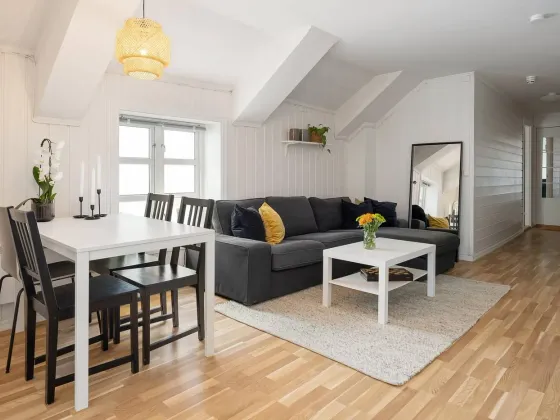
A real estate agent is an intermediary between buyer and seller who knows the market, the procedures and the paperwork, and protects the interests of their client.
They don't simply sell square metres.
They help people make one of the most important financial decisions of their lives.
A professional agent works to the standards and internal rules of their NOV VEK real estate agency, advises the client at every stage and takes on much of the heavy lifting – research, filtering offers, organising viewings, negotiations and coordinating the documents.
2The main roles of an agent when buying a property
When you are a buyer, the real estate agent is your “navigator” throughout the whole process.
They help you avoid wasting time on unsuitable listings and missing important risks.
Initial consultation and needs analysis
At the start, a good agent does not begin with a list of listings, but with questions.
They want to know: what type of home you are looking for, in which area, what your budget is, and what your priorities are – location, floor area, parking space, infrastructure, a future investment or a home for long-term living.
Based on these criteria, they select properties that make real sense for you, instead of sending you to viewings “at random”.
Selection and preliminary vetting of listings
A professional real estate agent reviews far more listings than a buyer could on their own.
They check:
- whether the property is actually available
- whether the price matches the market
- whether the features are described accurately
This way, fewer but better-quality offers reach you.
Organising viewings and feedback
The agent coordinates viewing times, arranges access to the property and accompanies you.
On site, they do not just “unlock” the home, but draw your attention to important details – the condition of common areas, installations, orientation, options for reconfiguration, rental potential if the property is an investment.
After each viewing you can discuss the pros and cons to narrow down your choice.
Negotiating price and terms
Once you like a particular property, the moment for negotiation arrives.
For many people this is the most stressful part.
The agent is the person who conducts the dialogue professionally and calmly, protecting your interests.
They know the real price levels of real estate in the area and can make a well-argued offer, ask for a discount or for more flexible payment terms.
Help with documents and the notary transaction
The final stage involves documents, checks and deadlines.
The agent coordinates:
- provision and verification of title deeds, sketches and certificates
- communication with lawyers, loan officers and the notary
- agreeing dates for signing the preliminary and final contract
This reduces the risk of oversights that could delay or derail the deal.
3How an agent helps when selling a home
For the seller, the real estate agent is a strategic partner.
The goal is shared – to achieve an optimal price and a sale within a reasonable time.
Market price assessment
The agent's first task is to make a realistic valuation of the property.
They compare:
- location, area and condition
- prices of similar properties in Varna or the relevant city
- current market trends
The result is a range in which the property has a chance of selling without a long “wait” on the websites.
Preparing the home for the market
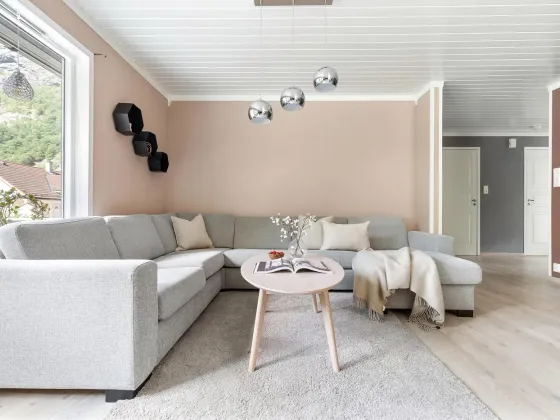
A professional real estate agency will often give concrete advice on preparing the home.
This includes decluttering, tidying, minor repairs and details that make a stronger first impression.
A well-prepared property:
- attracts more enquiries
- looks better in photos
- allows a firmer position in negotiations
Quality presentation – photos and listing
The agent arranges professional photos and prepares the listing text.
It is important to strike a balance between an attractive presentation and accurate information.
A reputable real estate agency has no interest in misleading buyers – the aim is to bring people who are genuinely looking for a property like yours.
The listing is then published on property websites, on the agency's own site and often on social media and in a database of active clients.
Screening enquiries and viewings
The seller is often a busy person.
If you sell the property yourself, you have to answer numerous calls, including from people who are not serious or have no real budget.
The agent takes this part off your hands:
- asks clarifying questions
- screens out non-serious enquiries
- arranges viewings at coordinated times
This way, the people who reach the home have genuine interest and the means to buy.
Negotiation and protecting the seller's interests
When offers come in, the agent looks not only at the price but also at the terms – deadlines, payment method, mortgage financing and so on.
They help you choose the most reliable buyer, not just the one with the highest verbal offer.
The agent will often also advise on counteroffers, so as to strike a balance between price and security.
4When you most need a real estate agent
There are situations in which professional help is especially important.
- when it is your first purchase or sale of a home
- when the property is tied to a loan, an inheritance or co-owners
It is also sensible to work with an agent if you live in another city or country and cannot be present at every stage.
5How to choose a real estate agent – practical criteria
Not everyone who posts a listing is a good agent.
Choosing a professional should be a conscious decision, not a random one.
What to look out for
It is useful to look at:
- whether the agent has a profile and presence on the website of NOV VEK Real Estate or another established firm
- what offers they provide and how they present them online
- how they communicate – clearly, specifically and calmly, or with pressure and clichés
The personal impression from the first conversation and meeting is also an important factor.
Questions to ask
Before you decide, you can ask:
- “What type of property do you most often work with – apartments, houses, plots?”
- “What is the standard process your real estate agency follows?”
The answers will show you how systematic the agent's approach is and how much real experience they have.
6What a good agent does NOT do
To understand who is a professional, it helps to know what they avoid doing.
A fair real estate agent:
- does not promise impossible prices just to win the property “at any cost”
- does not hide important facts about the property and does not pressure you to sign before you are sure
They understand that satisfied clients are the strongest advertising and work with the long term in mind.
7What is the role of the real estate agency
Behind a good agent stands a good structure.
An established agency such as “NOV VEK Real Estate” offers:
- internal standards for work and service
- a team of agents who cooperate with each other
- a database of up-to-date offers and clients
This means a wider choice of properties, faster finding of a buyer and more security with the documents.
A real estate agent is not just an intermediary who “unlocks doors”.
They are the person who:
- saves you time and wrong steps
- protects you in negotiations and paperwork
- helps you get from the idea of a deal to a genuinely signed contract
When you choose a professional agent and work with a proven real estate agency, you turn a complex process into an orderly and manageable sequence of steps.
That way, buying or selling a property becomes not only safer, but also much calmer – and that is a price worth paying.
Comments
There are no comments yet. Be the first to share what you think about the article.