

Homes in the central parts of Varna attract buyers with their location, high ceilings, spacious rooms and an architectural character that is hard to find in mass new construction. In many old cooperative buildings, the apartments have convenient rooms, thick walls, natural light and an address that offers walking access to shops, administrative services, schools, the Sea Garden and main transport links.
A good location, however, should not distract attention from the condition of the building. With old cooperative buildings, the buyer does not acquire only the apartment behind the front door. They also acquire ideal shares of the roof, the facade, the staircase, the yard plot, the vertical risers and the other common areas. If these elements are neglected, future costs can significantly exceed initial expectations.
That is why an old apartment should not be assessed solely by its floor area, renovation and furnishings. A full inspection of the building, a check of the documents and a realistic estimate of the work ahead after the purchase are needed.
1Why old cooperative buildings in the centre remain in demand
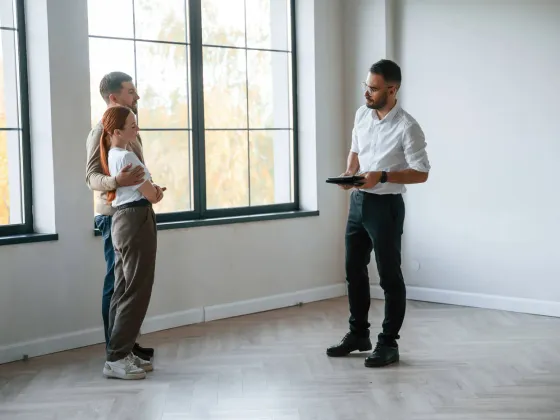
A central location is a limited resource. In an established part of the city there is not unlimited space for new construction, and many of the existing buildings offer a combination of architecture, floor area and access that cannot easily be replaced.
The main advantages of old cooperative apartment buildings are usually:
- central location;
- large net living area;
- high ceilings;
- spacious rooms;
- thick walls;
- fewer apartments in the building;
- distinctive architectural details;
- scope for different interior reconfigurations;
- proximity to services and public transport.
In a well-maintained building, these characteristics can make a property suitable for permanent living as well as for long-term renting, a prestigious office or a later sale.
This does not mean, however, that every old cooperative building in the centre is a good buy. The differences between two neighbouring buildings can be significant. One may have a renovated roof, replaced risers and a well-organised homeowners’ association, while the other needs costly emergency repairs.
2Establish the year and type of construction
The term “old brick” covers many very different buildings. A cooperative building from the early 20th century should not be assessed in the same way as a brick building from the 1960s or 1980s.
Age alone does not determine quality. There are many old buildings that are sound and well maintained, as well as newer cooperative buildings with accumulated problems. What matters are the structural system, the work carried out and the maintenance over the years.
Ask for information about:
- the approximate or exact year of construction;
- the type of structure;
- the available architectural and construction documents;
- any strengthening work carried out;
- additional storeys or extensions;
- changes to load-bearing walls;
- major repairs to the building;
- the existence of a technical passport or survey.
The technical passport contains information on the condition, characteristics and changes made to the building. When such a document is available, it can provide a useful basis for assessment, but it does not remove the need for a technical inspection of the specific property.
3Inspect the structure, not just the renovation
Freshly painted walls and a modern kitchen can distract from more serious problems. In an old cooperative building, the inspection should start with the overall condition of the building.
Look out for:
- long diagonal cracks;
- cracks around windows and doors;
- warped floors;
- badly sagging ceilings;
- doors that are hard to close;
- signs of long-standing damp;
- corroded metal elements;
- serious damage to timber beams;
- visible changes to load-bearing walls.
Not every crack is a structural problem. In old buildings you find superficial cracks in the plaster that do not affect the load-bearing system. However, the buyer should not judge their nature by appearance alone.
When in doubt, arrange an inspection with a structural engineer or another suitable specialist. The cost of a professional assessment is small compared with the risk of acquiring a home in a building that needs serious strengthening.
4Check the roof and the attic space
The roof is one of the most important common elements in an old cooperative building. The problem does not affect only the top-floor apartments. Leaks can damage the structure, the staircase, the electrical parts and the facade, and the repair costs are shared among the owners according to the applicable rules.
Ask:
- when the roof was repaired;
- exactly what repair was done;
- whether there is a warranty or documents from the contractor;
- whether funds have been collected for a new repair;
- whether there are active leaks;
- what condition the gutters are in;
- whether the attic rooms are in use;
- whether any attics have been converted illegally;
- who has access to the roof space.
For a top-floor apartment, inspect the ceilings, the upper corners and the areas around chimneys carefully. Fresh paint is not proof that the problem has been fixed. Check for a damp smell, differences in colour or traces of repeated repainting.
If possible, visit the attic space together with a specialist or a representative of the homeowners' association.
5The facade can mean a big future expense
A beautiful facade is one of the main advantages of the old central cooperative buildings, but restoring it can be expensive and technically complex.
Check for:
- falling plaster;
- cracks;
- compromised cornices;
- unstable decorative elements;
- signs of water penetration;
- rusty balcony railings;
- damaged balcony slabs;
- poorly fixed air conditioners and cables.
Ask the building manager whether the municipality has issued any orders, whether a repair project has been prepared and what budget is expected from the owners.
Do not assume that the facade is a concern only for the owners of street-facing apartments. It is a common part, and the costs can affect everyone in the building.
6Check whether the building has cultural heritage status
In central Varna there are buildings of architectural and historical value. Some of them have official protected status, while others are located in zones with a special regime.
The National Institute for Immovable Cultural Heritage maintains data on immovable cultural assets, including lists for Varna Province. There are also specialised local registers and information platforms for the city's architectural heritage.
Such a status does not make the purchase a bad one, but it can affect future renovations. Replacing window frames, changing the facade, installing external units, repairing balconies and other interventions may require additional approvals.
Before the deal, check:
- whether the building has protected status;
- whether it is part of a protection or historical zone;
- whether there are restrictions on facade changes;
- whether any unapproved renovations have been carried out;
- whether there are restoration orders;
- how the status affects future renovation.
Do not rely solely on the seller's claim that the building “is not a monument”. Run a check using the exact address and identifier.
7The electrical installation may be inadequate for modern needs
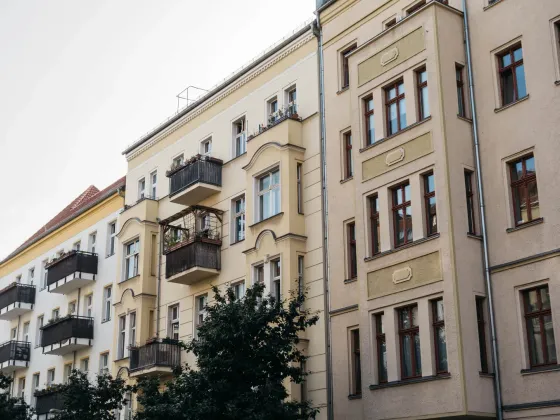
Older homes often have installations designed for a much lower electrical load. A modern home uses air conditioners, a water heater, an oven, hobs, a washing machine, a dryer, a dishwasher and numerous electronic devices.
Check:
- whether the cables have been replaced;
- whether there are separate circuits for high-power appliances;
- what condition the electrical panel is in;
- whether there is residual-current protection;
- what material the wiring is made of;
- whether the sockets are earthed;
- whether there are signs of overheating;
- what power capacity is available to the apartment.
New sockets and switches do not prove that the installation has been renewed. It is possible that only the visible elements were replaced while the cables in the walls stayed the same.
If a major renovation is planned, the electrical installation should be assessed by a qualified specialist before the purchase, so that it can be included in the budget.
8Plumbing Risers Are a Shared Problem, Not Just the Apartment’s
Replaced pipes in the bathroom do not necessarily mean the whole system has been renewed. Old vertical risers can run through all the floors, and replacing them requires coordination between neighbours.
Ask:
- whether the water supply risers have been replaced;
- whether the sewage pipes have been replaced;
- whether there are frequent breakdowns;
- what the water pressure is like;
- whether there are problems on the upper floors;
- whether there is a smell from the sewage;
- how the pipes were routed after alterations;
- whether there are leaks in the cellars.
Run the water in several places at once and watch how it drains. Look at the cabinets under the sinks, the areas around the toilet, the ceilings under wet rooms and the common areas around the pipe shafts.
For old cast-iron sewage pipes, ask whether replacement is planned. This does not automatically mean the system is unusable, but the potential cost must be factored in.
9The Condition of the Cellars Says a Lot About the Building
Cellars are often skipped during viewings, even though they can reveal problems with damp, sewage, foundations and maintenance.
Check:
- whether there is water on the floor;
- whether there is persistent damp;
- whether there is mould;
- what condition the shared pipes are in;
- whether there are cracks;
- whether flammable materials are stored;
- whether the lighting works;
- who has access;
- whether the cellar belonging to the apartment matches the documents.
For a property with an ancillary cellar, see whether the room is actually usable. A cellar listed in the notarial deed is not necessarily a dry and secure storage space.
10Clarify the Legality of Alterations
Old apartments have often been altered many times. Kitchens have been moved, terraces absorbed, walls removed, attics converted into living space and separate rooms merged.
A layout that looks good does not prove that the change is permitted and documented.
Compare:
- the notarial deed;
- the cadastral plan;
- the architectural plan, if available;
- the actual layout;
- the designated use of the rooms.
The following require particular attention:
- removed load-bearing walls;
- relocated wet rooms;
- appropriated common areas;
- annexed attics;
- enclosed balconies;
- merged apartments;
- a home divided into several units;
- a basement or attic space presented as living area.
11Check How the Condominium Is Managed
A well-maintained building depends not only on its age and structure. It also depends on the owners’ ability to make decisions and fund the necessary repairs.
Ask to speak with the building manager and put specific questions:
- whether general meetings are held;
- whether a budget has been adopted;
- whether a “Repairs and Renovation” fund is collected;
- whether any owners have large arrears;
- what repairs have been made;
- what repairs are coming up;
- whether there are legal disputes;
- whether there are problems with municipal or uninhabited homes;
- whether any common areas are rented out;
- how costs are shared.
Ask to see the latest minutes of the general meeting. They may contain information about leaks, the façade, the roof, risers, the lift, legal disputes and planned contributions.
The absence of a monthly fee is not always an advantage. Sometimes it means the building has no reserve and any larger repair leads to a sudden collection of a significant sum.
12The Lift and Access Can Limit Future Demand
Many old apartment buildings have no lift. That may not be a problem for the buyer today, but it matters for long-term use, renting out and future resale.
Consider:
- which floor the home is on;
- how steep the stairwell is;
- whether a pushchair can be carried;
- whether there is space for a bicycle;
- whether access is convenient for elderly people;
- whether a lift can technically be installed;
- whether such an investment has been discussed.
An apartment on the fourth or fifth floor without a lift may offer views and light, but the pool of future buyers and tenants will probably be narrower.
13Check the Parking in the Evening
A central address does not guarantee convenient parking. Visit the area after the end of the working day, when residents have come home.
Check:
- whether the street falls within a paid parking zone;
- whether there is a right to local resident parking;
- how hard it is to find a space;
- whether there is an inner courtyard;
- what the status of the courtyard is;
- whether all owners have the right of access;
- whether a car can enter through the gate;
- whether there are unlawfully allocated spaces;
- whether the entrance gets blocked.
The phrase “parking courtyard available” should be confirmed both on paper and in practice. The courtyard may be shared but have too few spaces, or access to it may be disputed.
14Noise and Commercial Premises Change the Quality of Life
The centre offers convenience, but also more sources of noise. View the property at different times of day.
Pay attention to:
- restaurants and bars below or next to the building;
- early-morning deliveries;
- air-conditioning and ventilation systems;
- street traffic;
- night-time foot traffic;
- events;
- waste containers;
- loading ramps;
- short-term rental apartments.
Old solid masonry can provide good insulation between some rooms, but old windows and timber floor structures do not always limit external noise and impact sound.
15Calculate the Full Budget, Not Just the Price of the Apartment
For an old apartment building, the repair reserve should be set after a technical inspection, not by a general “per square metre” figure.
Include in the budget:
- replacing the electrical installation;
- plumbing repairs;
- heating and air conditioning;
- windows and doors;
- levelling walls and floors;
- restoring wooden flooring;
- bathroom and kitchen;
- a design and permits for alterations;
- waste removal;
- unforeseen works;
- future contributions for the common areas.
To this, add the transaction costs, the legal check and any temporary accommodation during the renovation.
16A Practical Checklist for Viewing an Old Apartment Building
Before you decide, check at least the following:
- The year and type of construction.
- Visible cracks and deformations.
- The condition of the roof.
- The façade, balconies and cornices.
- The electrical installation.
- The plumbing risers and sewerage.
- Damp in cellars and attics.
- The legality of alterations.
- The availability of technical documentation.
- Cultural heritage status.
- The decisions and budget of the homeowners’ association.
- Upcoming communal repairs.
- The lift and access.
- Parking in the evening.
- Noise at different times of day.
- The real budget for renovation.
For the first viewing you can also use the general checklist of mistakes when viewing a home, but for an old cooperative building it is advisable to arrange a second visit with a technical specialist as well.
17When an old cooperative building is a good purchase
An old apartment in the centre can be an excellent choice when the building is structurally sound, the common areas are well managed, the documents are in order and the necessary repairs are included in the budget.
Especially valuable are properties that combine:
- a good central street;
- decent natural light;
- a functional layout;
- a well-maintained roof;
- dry cellars;
- clearly defined ancillary premises;
- a functioning homeowners' association;
- no disputed alterations;
- reasonable future costs.
Conversely, a beautiful interior should not compensate for a dangerous facade, a leaking roof, unclear ownership or a building where the owners cannot agree on the necessary repairs.
Old cooperative buildings have qualities that are hard to reproduce – architecture, height, space and a central urban setting. For these qualities to become a good purchase, you need to assess not only the home but the whole building. When the technical inspection, the documents and the future costs are clear, an old apartment can offer a characterful and lasting home, rather than a series of unexpected repairs.
Comments
There are no comments yet. Be the first to share what you think about the article.